Sensory System
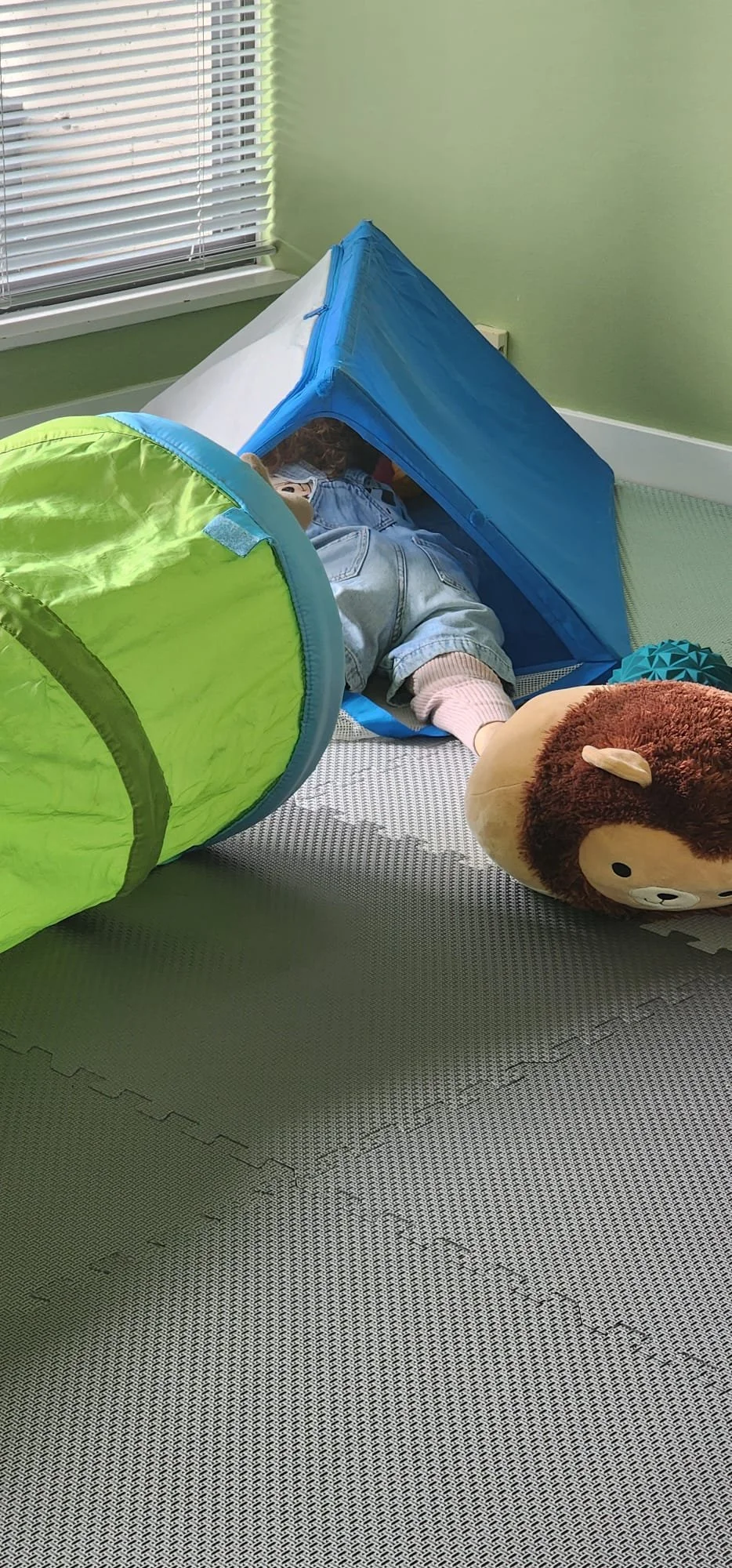
Every child experiences the world through their senses, but not every child’s sensory system processes information in the same way. Some children are highly sensitive to sounds, lights, textures, or movement. A small noise might feel overwhelming, a clothing tag might feel scratchy or painful, or bright lights may make it hard to focus. Other children have the opposite experience—they may seek more movement, pressure, or activity than their peers. They might love jumping, crashing, squeezing into tight spaces, or touching everything around them because it helps their body feel grounded and organised.
These differences aren’t “good” or “bad”—they simply reflect the way a child’s brain and body work together. When a child’s sensory system is out of sync or receiving more information than it can comfortably manage, day-to-day moments can feel harder: transitions become stressful, attention is harder to maintain, and play or social interactions may feel overwhelming. On the other hand, when we understand a child’s unique sensory needs, we can adjust their environment, routines, and expectations to match what helps them feel safe, calm, and ready to learn.
By looking at your child through a sensory lens, we can better support their confidence, independence, and emotional well-being. With the right strategies—and a deeper understanding of how their sensory system works—children can participate more comfortably in daily life, enjoy meaningful moments, and thrive in the places that matter most: home, school, and the community.